We use cookies to make your experience better. To comply with the new e-Privacy directive, we need to ask for your consent to set the cookies. Learn more.

Top Event Equipment Trends Transforming Modern Events in 2026
February 03, 2026
Categories:
Event Industry Trends
In late 2025, a mid-sized corporate conference in Melbourne cut its setup time by nearly half. How? They changed how their equipment was sourced and deployed. No flashy gimmicks. No overdesigned theatrics. Just smarter gear choices and better planning.
That blog says a lot about where events are heading in 2026. Let's break down the event equipment trends reshaping modern events. We'll keep a clear focus on what actually works on the ground.
Smarter AV Systems Are Replacing Bigger Ones
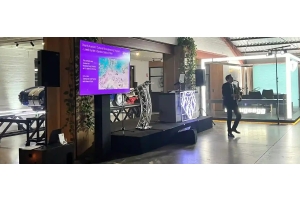
More equipment no longer equals better events. One of the strongest trends heading into 2026 is leaner, more efficient AV setups. The goal is high output with fewer components.
Event professionals are now prioritising:
- Compact PA systems offering wider coverage.
- Audio mixers that are all-in-one reduce cabling clutter.
- Stronger wireless microphones in terms of interference control.
These systems lower setup complexity. They also reduce on-site troubleshooting. From experience, fewer connection points mean fewer failures. That reliability matters more than ever. Today's events run on tight schedules and are often streamed live.
Hybrid Event Gear Is Now Standard, Not Optional
Hybrid events are no longer a special category. They are part of the default planning process. Equipment choices now reflect that simple reality.
Modern events increasingly rely on:
- Cameras built for live switching.
- Portable streaming encoders.
- Lighting that works for both in-room audiences and cameras.
A 2024 industry report by EventMB is telling. It showed that over 70 percent of corporate events included a remote audience component. It should have equipment that accommodates the physical and digital audience. It ceased being a high-end product.
Lighting Is Moving Toward Purpose, Not Drama
Lighting trends in 2026 favour clarity, consistency and adaptability. Planners are moving away from dramatic, colour-heavy setups. Instead, they will use lighting that will enhance the viewability of the content and the quality of the recording.
Common shifts include:
- Adjustable white temperature lighting.
- LED fixtures with low heat and power draw.
- Basic adjustment systems for fast changes.
This approach reduces power requirements. It also keeps speakers comfortable under the lights. Clean lighting improves video output, which is critical. Event recordings are now live long after the event itself ends.
Modular Staging and Rigging Are Gaining Ground
Rigid staging systems are slowly being replaced. Modular platforms that adapt to different venues are taking over. This is especially useful for events hosted in non-traditional spaces.
Benefits seen in real use:
- Faster load-in and pack-down times.
- Easier transport and storage between jobs.
- Better compliance with tricky venue restrictions.
Production teams share positive feedback. They report fewer last-minute compromises. This happens when staging can be adjusted on-site rather than completely redesigned.
Reliability and Support Are Driving Equipment Choices
One trend rarely makes headlines. Yet it shapes every successful event. It is the growing focus on support over novelty. Organisers are choosing suppliers differently. They want tested equipment, clear documentation and responsive technical help.
Lessons learned from recent events point to a simple truth. Good equipment that can be trusted has the victory. It is always better than high-end equipment, which does not have adequate backup or services.
Where the Real Impact Lies: Beyond Spectacle
Events in 2026 are defined less by spectacle and more by execution. Smarter AV systems, hybrid-ready equipment, practical lighting, and modular infrastructure are setting the standard.
The real transformation lies in choosing tools that reduce risk and improve consistency. That mindset is exactly how we approach modern event production at Wwave.
Recent Posts