We use cookies to make your experience better. To comply with the new e-Privacy directive, we need to ask for your consent to set the cookies. Learn more.

What Happens on Event Day? A Look Behind the Scenes of AV Setup
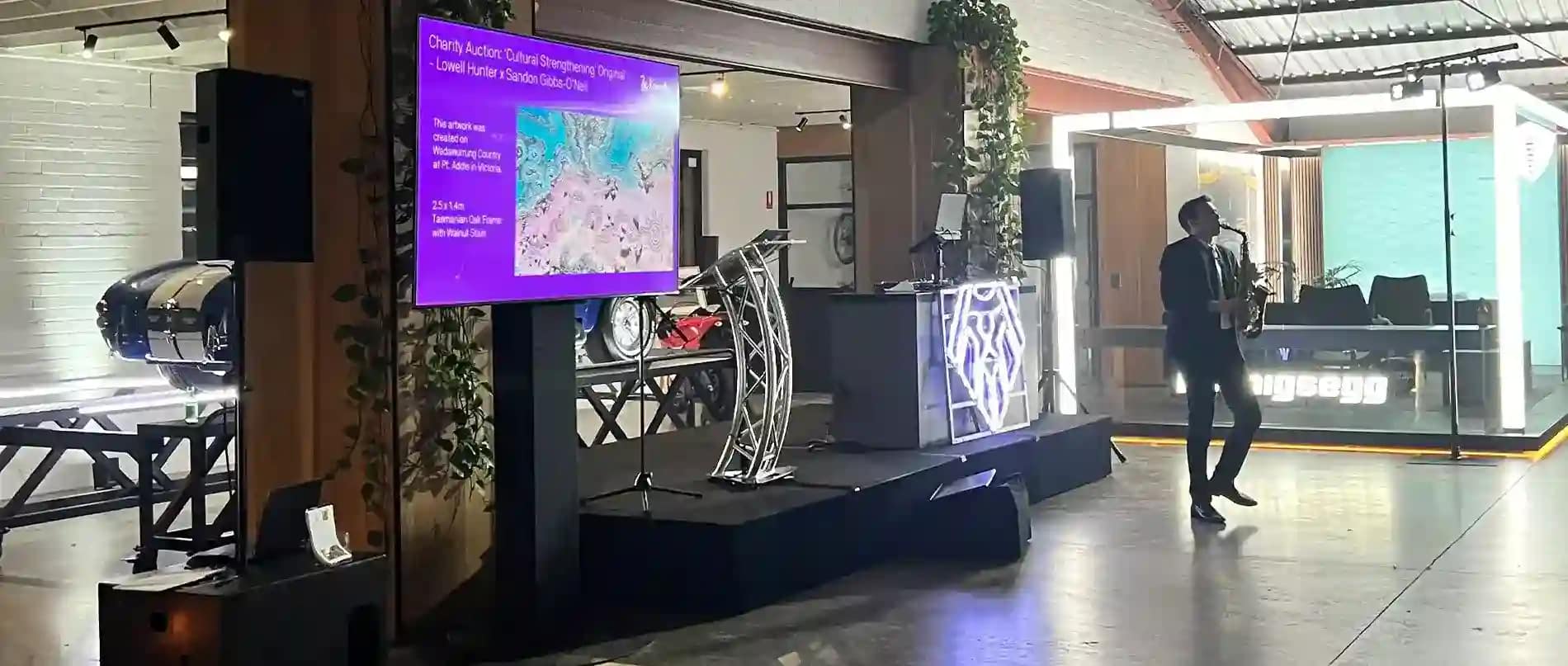
Planning takes months. Still, success hinges on those last few hours before guests walk in. Great sound, bright screens, and steady lights do not just occur naturally. They come from direct action, fast decisions, and early testing behind closed doors.
At Wwave Audio Visual, our crew deals with setup logistics constantly for big meetings, weddings, and concerts. Here is how a real AV setup rolls out on event day to turn an empty hall into a working show space.
Early Morning Logistics and Unloading
We start long before sunrise. Heavy trucks arrive at the back loading dock while the building is still cold and dark.
Securing the Venue and Gear
That initial hour controls the flow of the entire day. Gear needs to come off ramps fast so we can map out room placements.
- Site Survey Check: We walk the main hall to verify wall outlets, doors, and floor measurements against our master plan.
- Equipment Unpacking: Rolling cases filled with heavy sound mixers, wireless clip mics, screen panels, and stage lights go straight to designated floor areas.
- Safety First: Bright yellow tape and plastic barriers go around work zones to protect early venue workers moving through.
A quick chat with the venue manager helps us lock in room access times and keep work moving along smoothly.
Core AV Installation and Signal Routeing
When gear hits the right spots, physical setup starts. Cables run out to connect separate hardware pieces into one unified system.
Building the Visual and Audio Foundation
Putting hardware together takes careful physical effort and balanced wall power distribution.
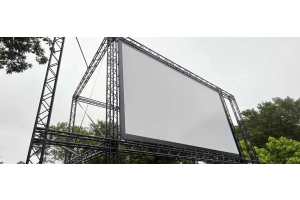
- Trussing and Rigging: Overhead metal frames and heavy overhead projector rigs go up using manual lifts, locked down tight with steel safety wires.
- Audio Placement: Sound boxes and floor monitors get angled into position to push sound everywhere without hitting glass walls.
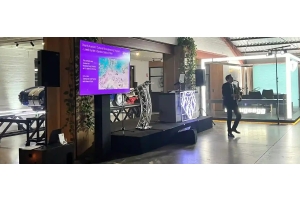
- Display Assembly: LED wall sections snap together frame by frame so video content looks sharp without dark lines.
- Cable Running and Taping: Wires cross paths across floor gaps. We run them along baseboards and tape them down flat with thick gaffer tape so nobody trips over them.
Through reliable power boards, Wwave Audio Visual supplies clean electricity to delicate digital gear, keeping systems safe from unexpected wall outlet spikes.
Sound Checks, Calibration, and System Testing
After running all wires, focus turns to system checks. Blank boxes on stage mean nothing until audio levels match room acoustics.
Tuning for Perfection
An empty room echoes differently than a room packed with people. We use digital tools to fix these sound issues early.
- Equalisation (EQ): Audio engineers run test noise through main speakers, tweaking sound settings to trim down harsh room echo.
- Wireless Frequency Coordination: Technicians scan open radio waves nearby to lock in clean channel frequencies for every hand mic.
- Video Calibration: Video screens get checked for brightness and colour balance so slides stay readable under bright room lights.
- Full Stage Rehearsal: Staff members test stage clickers, run video cues and talk into live mics to double-check everything works right.
Detailed pre-show testing means speakers sound clear and slides stay easy to read from any seat in the house.
Real-Time Monitoring and Show Execution
When guests walk inside, our job changes completely. We move from physical building work to active desk monitoring.
Managing the Live Show
Behind the back control desk, technicians run every sound change, light level, and screen graphic with steady focus.
- Audio Mixing: Sound operators adjust speech levels constantly, balancing background music tracks against live talk mics.
- Lighting Adjustments: Light controls shift between dim house settings for video clips and bright focus spots on main speakers.
- Backup Protocols: Critical shows run twin playback laptops side by side. If one machine freezes up, the second unit takes over instantly without dropping a frame.
Good tech work stays invisible to the audience, keeping full attention on the main presentation and speaker message.
Conclusion: Partnering for Flawless Event Delivery
A smooth event requires solid preparation, technical care and quick problem-solving behind the scenes. From morning truck drops to late-night pack-down, every step needs clear focus to make sure speakers get heard and visuals display properly.
By partnering with Wwave Audio Visual, experienced crews handle all technical work from start to finish, letting you focus fully on your attending guests.
Recent Posts