We use cookies to make your experience better. To comply with the new e-Privacy directive, we need to ask for your consent to set the cookies. Learn more.

Event Power Distribution Explained: What Melbourne Event Organisers Need to Know
Reliable power is essential for the smooth operation of exhibitions, corporate functions, festivals, product launches and other live events. Lighting, audiovisual equipment, display screens and production systems all depend on suitable electrical supplies. If power requirements are overlooked during planning, organisers may face equipment interruptions, installation delays or avoidable safety risks.
Event power distribution involves planning how electricity is supplied and distributed to the equipment used throughout a venue or event site. For organisers arranging event power distribution in Melbourne, early coordination with the venue, production team and qualified electrical professionals helps ensure that the proposed setup meets the event's technical and safety requirements.
Wwave provides event audiovisual hire and power distribution services, supporting event requirements that can include audio, lighting, staging, rigging and related technical equipment.
What Is Event Power Distribution?
Event power distribution is the process of organising electrical supplies for the equipment and operational areas of an event. Depending on the venue and production requirements, this may involve suitable distribution equipment, circuits, connections and cable routes.
A small indoor presentation may have relatively straightforward requirements. An exhibition, festival or large production may need a more detailed plan covering multiple equipment areas and different power demands.
The objective is to ensure that the electrical arrangement is suitable for the connected loads, compatible with the available supply and installed in accordance with applicable electrical and venue requirements.
Which Event Equipment Needs Power?
Before planning the electrical setup, organisers should identify all equipment that will operate during the event. This includes primary production equipment as well as supporting devices that may be overlooked during initial planning.
Audio Equipment
Speakers, amplifiers, mixing consoles, wireless microphone receivers and other audio equipment may require electrical supplies. Their requirements depend on the equipment specifications and how the system is configured.
Wwave's audio and audiovisual hire services can help organisers identify the equipment required for presentations, performances and other event formats.
Lighting Systems
Stage lighting, decorative lighting, exhibition lighting and other fixtures can contribute significantly to the overall electrical demand. Requirements vary according to the number and type of fixtures, their power ratings and how they will be operated.
Lighting plans should be coordinated with the event layout so that equipment locations, cable routes and any mounting arrangements can be addressed before installation.
Screens and Visual Equipment
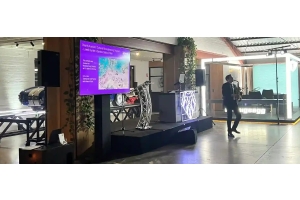
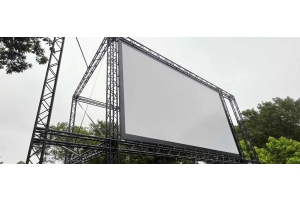
Display screens, projectors, media players and supporting computers may need separate connections and suitable power arrangements. Larger productions may involve several display locations, making it important to document equipment positions and electrical requirements.
For exhibitions and presentations, organisers should coordinate the power plan with the visual and general event hire services offered by Wwave.
Catering and Other Event Equipment
Depending on the event, catering appliances, registration desks, charging stations and temporary office equipment may also require electricity. These should be included in the planning process rather than added to the electrical arrangement at the last minute.
How to Calculate Event Power Requirements
Accurate power planning begins with an equipment schedule. Record each device, its electrical rating, quantity, connection requirements and intended location.
For equipment with a clearly stated wattage, the total nominal power can be estimated by adding the individual ratings:
Total nominal power = Sum of the wattage ratings of all equipment
For example, if a group of devices has a combined rated power of 2,000 watts, the nominal load for that group is 2,000 watts. This figure alone does not establish whether a circuit or supply is suitable.
A qualified electrical professional must assess the applicable voltage, current, phase configuration, circuit capacity, starting currents where relevant, cable ratings, protection and other site-specific conditions. Allowances for operating conditions and future equipment changes should also be considered.
Organisers should not rely on a simple wattage total to determine circuit safety or connect equipment beyond the capacity of an available supply.
Understanding Single-Phase and Three-Phase Power
Single-phase and three-phase supplies are different electrical arrangements that may be relevant to event planning. Which arrangement is appropriate depends on the equipment, total demand, available site infrastructure and the design of the electrical distribution system.
Some smaller equipment operates from standard single-phase supplies, while certain larger or specialised production systems may require three-phase power. However, equipment requirements must always be checked against manufacturer specifications.
Event organisers should confirm the available supply with the venue and provide the equipment schedule to a qualified electrical professional. The appropriate supply and distribution arrangement should be determined through a proper technical assessment, not by assuming that a larger event automatically requires a particular supply type.
Planning Safe Temporary Power Distribution
Temporary electrical installations need careful planning because event environments often involve changing layouts, public access, equipment movement and time-constrained installation schedules.
Plan Cable Routes and Equipment Locations
Cables should be routed to minimise trip hazards, protect connections and maintain safe access. Where cables must cross pedestrian or vehicle routes, suitable protection and an approved routing plan may be required.
Keep electrical distribution equipment accessible to authorised personnel and protected from foreseeable damage and environmental conditions. Outdoor events require particular attention to weather exposure and the suitability of equipment for the conditions.
Coordinate with the Venue and Production Team
Confirm the venue's available electrical capacity, connection locations, access restrictions and approval requirements before finalising the event layout.
The production team should share equipment schedules and location plans with the relevant electrical professionals. Changes to lighting, screens, catering or staging should be communicated before installation so the electrical plan can be reassessed where necessary.
Arrange Qualified Electrical Work
Electrical installation, testing and modifications must be completed by appropriately licensed or qualified professionals as required under applicable Victorian regulations and standards.
Organisers should confirm that the installation, protective devices, equipment and inspection arrangements are appropriate for the event. Never treat improvised connections, overloaded outlets or unprotected cables as acceptable temporary solutions.
Event Power Distribution for Exhibitions and Corporate Events
Different event formats create different planning challenges.
An exhibition may require power at several individual stands, each with screens, lighting and demonstration equipment. A corporate conference may need separate arrangements for stage lighting, presentation systems, audio equipment and registration areas. Outdoor productions may introduce additional considerations involving weather, access and temporary infrastructure.
The most effective approach is to prepare the electrical requirements alongside the event floor plan and technical production schedule. This allows the organiser, venue and relevant service providers to identify dependencies before equipment arrives on site.
Wwave offers event hire services covering audiovisual equipment, lighting, rigging and power distribution. Organisers can discuss their equipment list, event format and installation requirements to determine what support may be appropriate for their project.
What Information Should You Provide When Requesting an Event Power Quote?
A detailed enquiry helps the provider understand the scale and complexity of the proposed arrangement.
Include the following information:
- Event date, venue and location.
- Expected event duration and installation access times.
- Floor plan and locations of stages, stands and equipment.
- Equipment schedule, including electrical ratings where available.
- Available venue supply and any known restrictions.
- Indoor or outdoor operating conditions.
- Delivery, installation, testing and pack-down requirements.
- Contact details for the venue and other technical contractors.
Providing this information early allows the relevant professionals to assess the requirements and identify questions that need to be resolved before installation.
Arrange Event Power Distribution with Wwave
A dependable event power arrangement begins with a clear equipment schedule, a suitable electrical plan and coordination between the organiser, venue and technical team. Addressing these requirements early can reduce last-minute changes and support a safer, more organised event setup.
If you are planning an exhibition, conference, corporate function or other event in Melbourne, visit Wwave's website to enquire about its event hire and power distribution services.
Frequently Asked Questions
1.What is included in event power distribution?
Depending on the event, it may include planning the electrical supply, distribution equipment, connections and cable routes needed to power production equipment. The exact scope depends on the venue, equipment schedule and project requirements. Confirm which planning, supply, installation, testing and pack-down services are included in the quotation.
2.How do I calculate how much power my event needs?
Start by listing every powered device and recording its manufacturer-specified electrical rating. Add the relevant loads to prepare an initial equipment schedule, then provide it to a qualified electrical professional. They must assess supply capacity, circuit requirements, starting currents where relevant, protection and other technical factors before confirming the final arrangement.
3.Does my event need three-phase power?
Not necessarily. The appropriate supply depends on the equipment specifications, combined electrical demand and the venue's available infrastructure. Some setups may operate on suitable single-phase supplies, while others may require three-phase power. Have the requirements assessed before confirming the venue supply or hiring distribution equipment.
4.Who is responsible for electrical safety at an event?
Responsibilities depend on the work being performed, contractual arrangements and applicable laws. Event organisers should coordinate with the venue, contractors and appropriately qualified electrical professionals to establish who is responsible for the installation, testing, approvals and ongoing management. Electrical work must be performed by professionals with the qualifications or licences required for that work.
Recent Posts